
As of March 31, major dams including Aliyar, Parambikulam, Solayar, Amaravathi, and Thirumoorthy in Coimbatore and Tiruppur districts maintain varying water levels. Water Resources Department officials report steady inflows and controlled discharge across all reservoirs following recent rainfall in catchment areas.
Coimbatore: Water Resources Department officials have released the latest water level statistics for major dams across Coimbatore and Tiruppur districts as of March 31, revealing steady inflows and controlled discharge across all reservoirs.

The Aliyar Dam, located near Anaimalai with a total capacity of 120 feet, currently stands at 65.7 feet. The dam is receiving an inflow of 467 cubic feet per second (cusecs) from its catchment areas following recent rainfall, while releasing 393 cusecs of water.

The Parambikulam Dam near Pollachi, which has a maximum storage capacity of 72 feet, has seen its water level rise to 52.2 feet as of March 31. The reservoir continues to benefit from the southwest monsoon rains in its catchment areas. The dam is currently receiving an inflow of 40 cusecs while discharging a significantly higher volume of 1,150 cusecs.
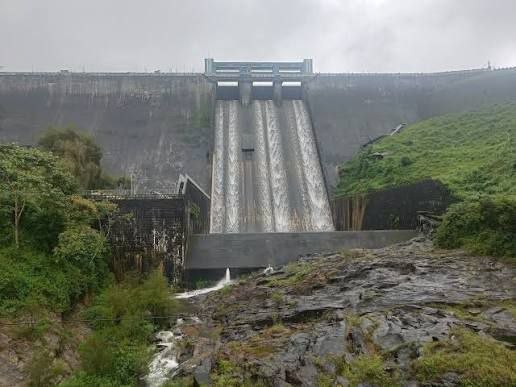
At Valparai, the Solayar Dam with a total capacity of 160 feet is recording a water level of 3.21 feet. The dam is receiving an inflow of 25 cusecs from rainfall in its catchment areas and is releasing 5 cusecs of water, according to Water Resources Department officials.
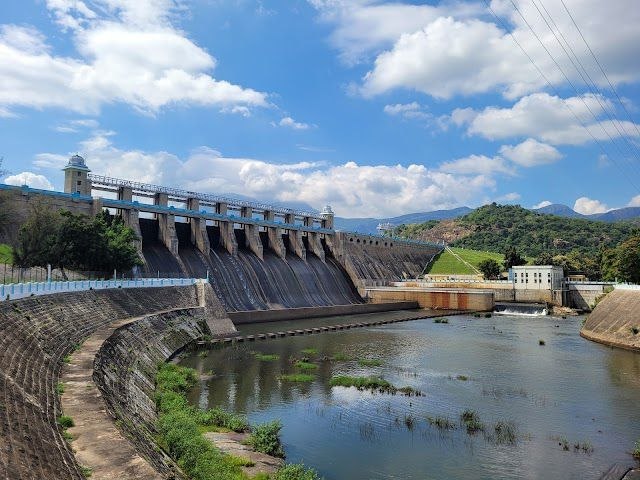
In Tiruppur district, the Amaravathi Dam, which has a storage capacity of 90 feet, currently maintains a water level of 37.37 feet as of March 31. The dam is experiencing continuous water inflow from its catchment areas and is discharging 50 cusecs of water. However, officials did not specify the exact inflow rate for this reservoir.

The Thirumoorthy Dam, situated near Udumalaipettai in Tiruppur district with a total capacity of 60 feet, stands at 42.11 feet. This dam is recording the highest inflow among all reservoirs at 618 cusecs, while releasing 195 cusecs of water, Water Resources Department officials confirmed.
The varying water levels across these dams reflect the impact of recent monsoon activity in the Western Ghats catchment areas. Water Resources Department officials continue to monitor the situation closely and manage discharge rates to ensure optimal water conservation while preventing overflow situations. These reservoirs serve as crucial water sources for irrigation, drinking water supply, and power generation for the surrounding districts.
The Aliyar Dam, located near Anaimalai with a total capacity of 120 feet, currently stands at 65.7 feet. The dam is receiving an inflow of 467 cubic feet per second (cusecs) from its catchment areas following recent rainfall, while releasing 393 cusecs of water.
The Parambikulam Dam near Pollachi, which has a maximum storage capacity of 72 feet, has seen its water level rise to 52.2 feet as of March 31. The reservoir continues to benefit from the southwest monsoon rains in its catchment areas. The dam is currently receiving an inflow of 40 cusecs while discharging a significantly higher volume of 1,150 cusecs.
At Valparai, the Solayar Dam with a total capacity of 160 feet is recording a water level of 3.21 feet. The dam is receiving an inflow of 25 cusecs from rainfall in its catchment areas and is releasing 5 cusecs of water, according to Water Resources Department officials.
In Tiruppur district, the Amaravathi Dam, which has a storage capacity of 90 feet, currently maintains a water level of 37.37 feet as of March 31. The dam is experiencing continuous water inflow from its catchment areas and is discharging 50 cusecs of water. However, officials did not specify the exact inflow rate for this reservoir.
The Thirumoorthy Dam, situated near Udumalaipettai in Tiruppur district with a total capacity of 60 feet, stands at 42.11 feet. This dam is recording the highest inflow among all reservoirs at 618 cusecs, while releasing 195 cusecs of water, Water Resources Department officials confirmed.
The varying water levels across these dams reflect the impact of recent monsoon activity in the Western Ghats catchment areas. Water Resources Department officials continue to monitor the situation closely and manage discharge rates to ensure optimal water conservation while preventing overflow situations. These reservoirs serve as crucial water sources for irrigation, drinking water supply, and power generation for the surrounding districts.