
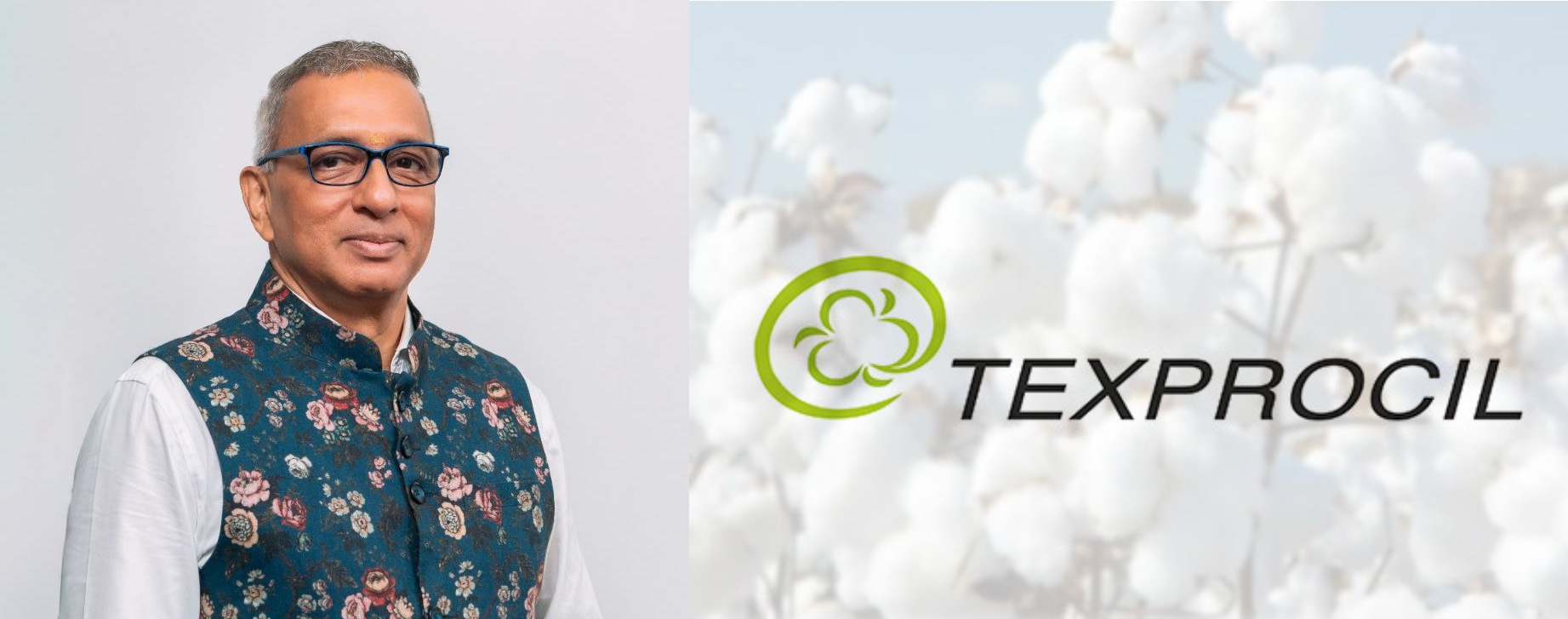
Texprocil Vice Chairman Ravi Sam said the duty-free trade agreement between India and the European Union is historic, removing long-standing disadvantages and providing a major growth boost to the Indian textile industry.
The Central Government has created history by implementing a duty-free trade agreement between India and the European Union, removing a long-standing disadvantage faced by the Indian textile sector, said Ravi Sam, Vice Chairman of The Cotton Textiles Export Promotion Council (Texprocil).
He said Indian textile exporters had been burdened for nearly two decades due to anti-dumping duties imposed by European countries, which significantly impacted growth. With the implementation of the duty-free trade agreement, this long-pending issue has now been resolved. He expressed gratitude to Prime Minister Narendra Modi, Union Commerce Minister Piyush Goyal, Union Finance Minister Nirmala Sitharaman and Union Textiles Minister Giriraj Singh for their efforts in securing the agreement. He also thanked Tamil Nadu Chief Minister MK Stalin for urging the Central Government to fulfil the industry’s demand.
Ravi Sam said once the Free Trade Agreement comes into force with the European Union and the United Kingdom, it will provide a major boost not only to the textile sector but to several other industries as well. He described the move as a game changer, noting that European countries currently impose duties ranging from eight to 12 percent on Indian textile products. The duty-free agreement will completely eliminate these taxes, significantly improving India’s competitiveness in global markets. He added that the agreement would also help offset the impact of high duties imposed by the United States.
Referring to domestic challenges, Ravi Sam said the Central Government has fixed a high Minimum Support Price for cotton to protect farmers. However, he noted that cotton prices in India are currently higher than international market rates, while quality remains slightly lower. This, he said, has affected companies across the textile value chain.
He urged the Central Government to remove the existing 11 percent import duty on cotton from April to September every year. During this period, he said, cotton farmers do not have produce to sell, and therefore would not be affected by the duty removal. Lower raw material costs, he added, are essential if Indian textile manufacturers are to compete on equal terms globally, especially as India signs duty-free trade agreements with multiple countries.
Ravi Sam said the proposed removal of cotton import duty during the lean season would support the growth of the textile industry and help protect the livelihoods of more than one crore workers employed across the sector.
He said Indian textile exporters had been burdened for nearly two decades due to anti-dumping duties imposed by European countries, which significantly impacted growth. With the implementation of the duty-free trade agreement, this long-pending issue has now been resolved. He expressed gratitude to Prime Minister Narendra Modi, Union Commerce Minister Piyush Goyal, Union Finance Minister Nirmala Sitharaman and Union Textiles Minister Giriraj Singh for their efforts in securing the agreement. He also thanked Tamil Nadu Chief Minister MK Stalin for urging the Central Government to fulfil the industry’s demand.
Ravi Sam said once the Free Trade Agreement comes into force with the European Union and the United Kingdom, it will provide a major boost not only to the textile sector but to several other industries as well. He described the move as a game changer, noting that European countries currently impose duties ranging from eight to 12 percent on Indian textile products. The duty-free agreement will completely eliminate these taxes, significantly improving India’s competitiveness in global markets. He added that the agreement would also help offset the impact of high duties imposed by the United States.
Referring to domestic challenges, Ravi Sam said the Central Government has fixed a high Minimum Support Price for cotton to protect farmers. However, he noted that cotton prices in India are currently higher than international market rates, while quality remains slightly lower. This, he said, has affected companies across the textile value chain.
He urged the Central Government to remove the existing 11 percent import duty on cotton from April to September every year. During this period, he said, cotton farmers do not have produce to sell, and therefore would not be affected by the duty removal. Lower raw material costs, he added, are essential if Indian textile manufacturers are to compete on equal terms globally, especially as India signs duty-free trade agreements with multiple countries.
Ravi Sam said the proposed removal of cotton import duty during the lean season would support the growth of the textile industry and help protect the livelihoods of more than one crore workers employed across the sector.